


For years, theatre across much of Africa has been framed as a legacy format.
Respected, certainly. Historically significant, without question. But increasingly treated as peripheral in a creative economy now dominated by streaming platforms, digital creators, algorithmic discovery, and content designed for screens rather than spaces.
The assumption has been easy to make.
The future is digital.
The audience has moved online.
Live performance belongs to another era.
And yet, this June, Abuja will host something that complicates that narrative.
Nigeria is set to welcome practitioners from across North America, Europe, Asia, Australia, and Africa for the International Improvisational and Playback Theatre Festival, the first time both global theatre communities will converge on African soil for a joint festival of this scale.
On the surface, it is a cultural milestone.
But beneath that sits a more interesting signal.
At the exact moment the world is becoming saturated with screens, live unscripted performance is quietly becoming more valuable.
Not despite digital expansion.
Because of it.
The stage may be coming back, just not in the way many expected.
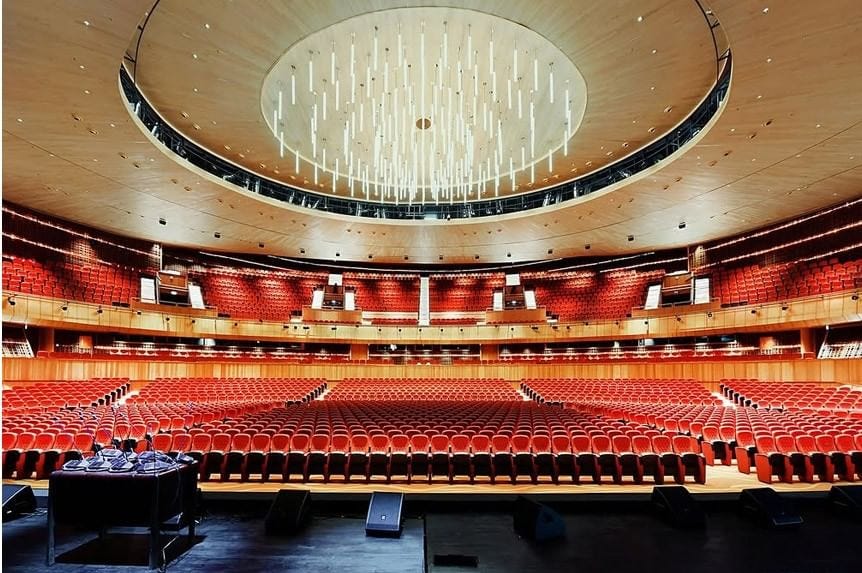
The Screen Won. But It Didn’t Replace Everything
The trajectory of modern entertainment has largely been defined by one thing: scale.
Each major technological shift expanded distribution.
Theatre gave way to film.
Film expanded through television.
Television evolved into home video.
Home video yielded to streaming.
Streaming collapsed everything into the pocket-sized infinity of mobile devices.
At every stage, the promise was the same.
Greater access.
Greater convenience.
Greater reach.
And in measurable terms, that promise delivered.
Content today travels faster, farther, and more efficiently than at any point in history.
But scale has a side effect.
The more infinitely available content becomes, the less scarce the experience of presence becomes.
You can replay a Netflix film endlessly.
You can revisit a YouTube performance at will.
You can pause, skip, fast-forward, rewind.
What you cannot do is recreate the energy of a room experiencing something together, in real time, knowing it will never happen in exactly that way again.
That is what digital systems, for all their efficiency, still cannot replicate.
And increasingly, that limitation is becoming theatre’s advantage.
Scarcity Has Become a Creative Asset
In digital culture, abundance is everywhere.
There is always another video.
Another stream.
Another recommendation.
Another piece of content competing for attention.
The problem is no longer access.
It is saturation.
This is creating what might be called the intimacy economy, a growing premium placed on experiences that feel immediate, embodied, and unrepeatable.
We are already seeing this across creative industries.
Live concerts continue to command extraordinary demand despite streaming access.
Immersive art exhibitions draw crowds despite endless online visual culture.
Comedy shows routinely sell out.
Exclusive physical events generate cultural capital precisely because not everyone can access them.
The value lies partly in the limitation.
You had to be there.
Theatre, especially improvisational and playback theatre, sits directly inside this shift.
Its value is not in infinite replayability.
It is in the impossibility of replication.
Every performance exists once.
And then it is gone.
In an era built around permanent digital archives, that kind of ephemerality has become rare.
Rarity, as every creative market eventually learns, creates value.
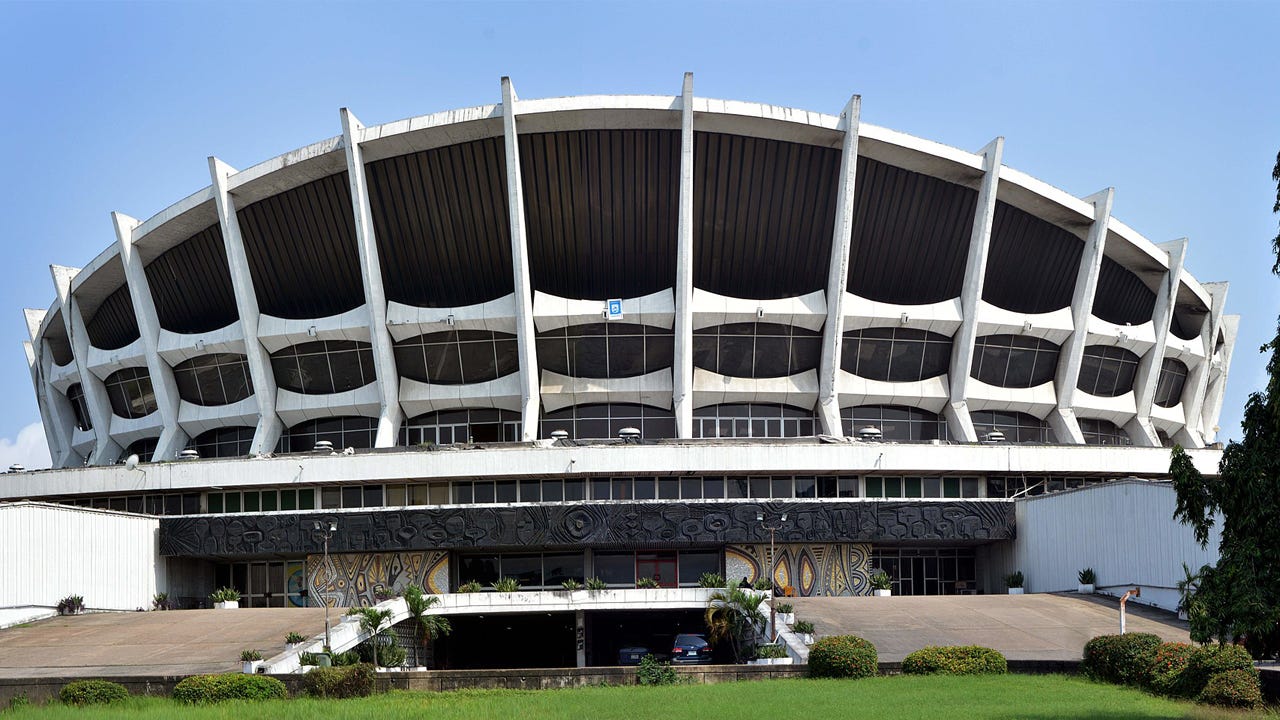
Why Unscripted Performance Matters Now
Improvisational and Playback Theatre are particularly significant in this conversation because they strip performance down to its most immediate form.
No heavy post-production.
No algorithmic optimisation.
No carefully engineered retention strategies.
Just human responsiveness unfolding in real time.
Improvisational theatre builds scenes spontaneously, often from audience prompts.
Playback theatre goes further, inviting audience members to share personal experiences that performers then reenact on stage.
The result is not just performance.
It is participation.
And this distinction matters.
Digital media largely trains audiences to consume.
These theatre forms require them to co-create.
That shift from passive viewing to active emotional presence is increasingly important in a world where mediated interaction dominates daily life.
This is part of why these formats have expanded globally beyond entertainment.
Today, they are being used in:
mental health support
conflict transformation
education
leadership development
community healing
psychosocial interventions
That evolution signals something larger.
Theatre is no longer just competing with film and streaming for audience attention.
It is moving into spaces digital content cannot easily occupy.
It is becoming emotional infrastructure.
Africa’s Theatre Story Was Interrupted, Not Finished
Across much of Africa, theatre’s reduced visibility has often been mistaken for decline.
But decline and neglect are not the same thing.
Nigeria’s theatrical ecosystem did not disappear because audiences stopped valuing live performance.
It weakened because the systems surrounding it failed to evolve.
Funding remained inconsistent.
Institutional support weakened.
Distribution models remained limited.
Infrastructure deteriorated.
National spaces designed for performance often became symbols of unrealised cultural potential rather than engines of sustained creative activity.
And yet, audience behaviour tells a different story.
Nigerians still show up.
Concerts fill out.
Comedy events sell out.
Experiential cultural gatherings generate enormous demand.
The appetite for shared live experience never disappeared.
What disappeared was the infrastructure capable of consistently meeting it.
That distinction matters.
Because it suggests theatre’s challenge is not cultural relevance.
It is structural renewal.
Why Abuja Matters
This is what makes the upcoming festival in Abuja worth paying attention to.
It is not merely an event.
It is evidence that Nigeria can still function as a convening point for global performance culture.
Bringing together international practitioners for workshops, masterclasses, and performances signals something important.
Theatre is not simply being preserved as heritage.
It is being repositioned as practice.
As method.
As system.
The festival’s focus on improvisation and playback also reflects a broader shift in how creative value is being understood.
For decades, creative success was largely measured by audience size and distribution reach.
But emerging formats increasingly point toward different metrics:
depth of engagement
transformative impact
community resonance
emotional participation
That is a fundamentally different creative logic.
And one increasingly aligned with where global culture appears to be heading.
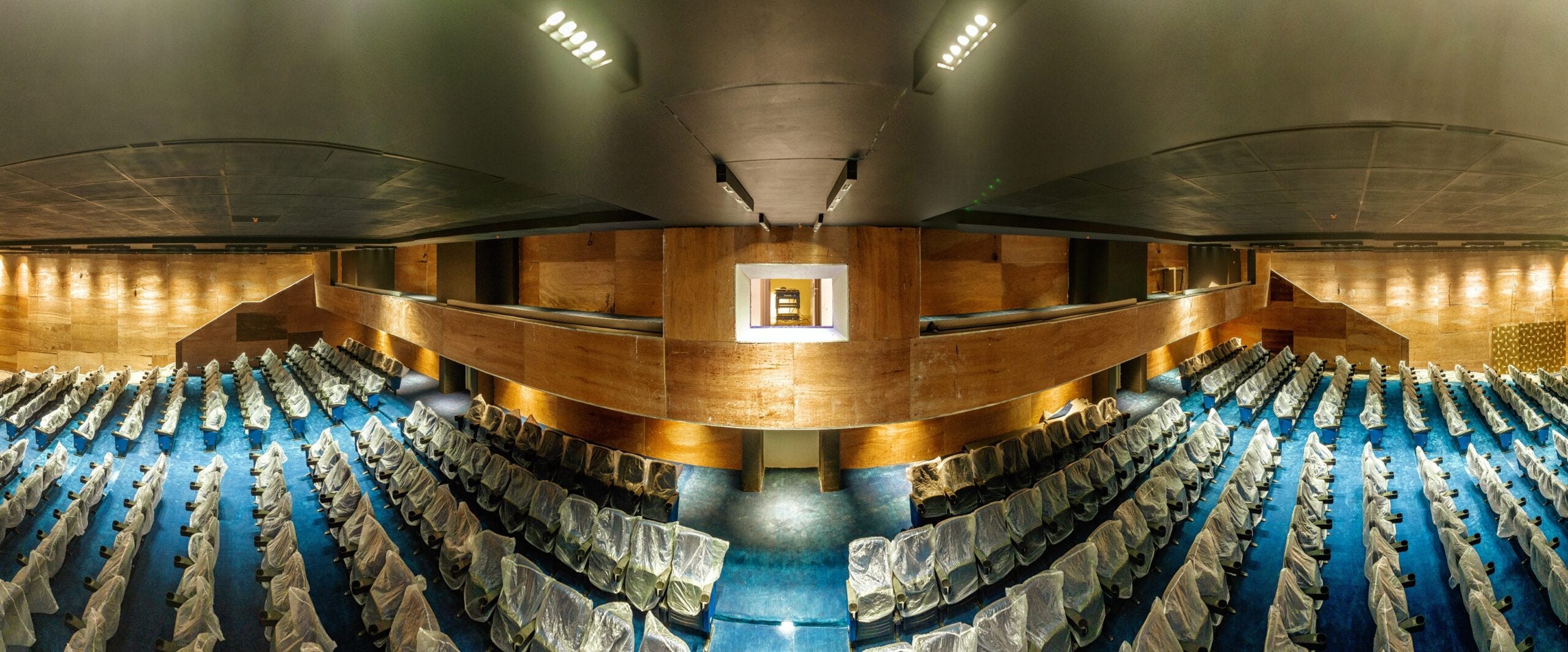
The Return of Presence
If the first era of digital media was about removing friction from access, the next may be about restoring meaning to presence.
This is not a rejection of technology.
It is a correction to over-digitisation.
As audiences become more accustomed to infinite content, experiences that demand physical presence gain new significance.
Not because they are nostalgic.
Because they offer something the digital economy struggles to manufacture:
real-time collective attention.
Theatre’s future, then, may not lie in trying to compete with streaming platforms on reach.
It may lie in leaning fully into what streaming cannot provide.
Liveness.
Impermanence.
Embodiment.
Shared unpredictability.
These are no longer limitations.
They are differentiators.
And increasingly, they may be theatre’s strongest economic asset.
What Comes Next
The bigger question is whether African creative systems are prepared to build around this shift.
Hosting a global festival is one thing.
Building sustained ecosystems around live performance is another.
That requires:
investment in spaces
institutional continuity
training pipelines
new commercial models
cross-sector partnerships
Most importantly, it requires a change in mindset.
Theatre cannot continue to be framed as an older format waiting to be digitised into relevance.
Its future may depend on embracing the exact qualities that resist digitisation.
Because if this moment signals anything, it is this:
the formats once considered least scalable may become some of the most culturally valuable.
And in a digital economy built around infinite replayability, the rarest creative product may be the one that only exists once.

Written by Layo
Lead Editorial Writer, Creative Brief Africa
Outside of her editorial work, she writes Curious Health, a newsletter focused on everyday health questions, explored with clarity and care.