


Ten African nations.
A record representation.
At least $125 million in guaranteed participation payments before a knockout ball is even kicked.
On the surface, Africa’s presence at the 2026 FIFA World Cup looks like a football story.
But the most important prize may not be financial.
It may be influence.
Because when Algeria, Cape Verde, Côte d’Ivoire, DR Congo, Egypt, Ghana, Morocco, Senegal, South Africa and Tunisia walk onto football’s biggest stage this summer, they will not simply be representing national teams.
They will be representing brands.
Cultures.
Narratives.
Creative industries.
And increasingly, entire economic ecosystems built around attention.
For decades, African countries have viewed music, film, fashion and tourism as instruments of soft power. What the 2026 FIFA World Cup reveals is that football may be becoming one of the continent’s most powerful cultural export mechanisms.
And it arrives at a moment when African culture is already experiencing unprecedented global visibility.
The convergence is difficult to ignore.
The Real Currency of the World Cup Is Attention
FIFA expects the 2026 tournament, hosted across the United States, Canada and Mexico, to become the largest World Cup in history.
The 2022 World Cup in Qatar generated an estimated five billion engagements across FIFA digital platforms and reached billions of viewers globally throughout the tournament.
The expanded 48-team format means even more matches, more content, more media coverage and more opportunities for national visibility.
Historically, nations competed for trophies.
Today they compete for attention.
And attention increasingly converts into economic value.
Tourism.
Foreign investment.
Brand partnerships.
Media rights.
Cultural exports.
Global reputation.
The modern World Cup is not simply a sporting competition.
It is one of the largest attention markets in the world.
Countries understand this.
Which is why governments increasingly invest in sport the same way they invest in tourism campaigns, film incentives and cultural diplomacy programmes.
The objective is no longer simply winning.
The objective is visibility.
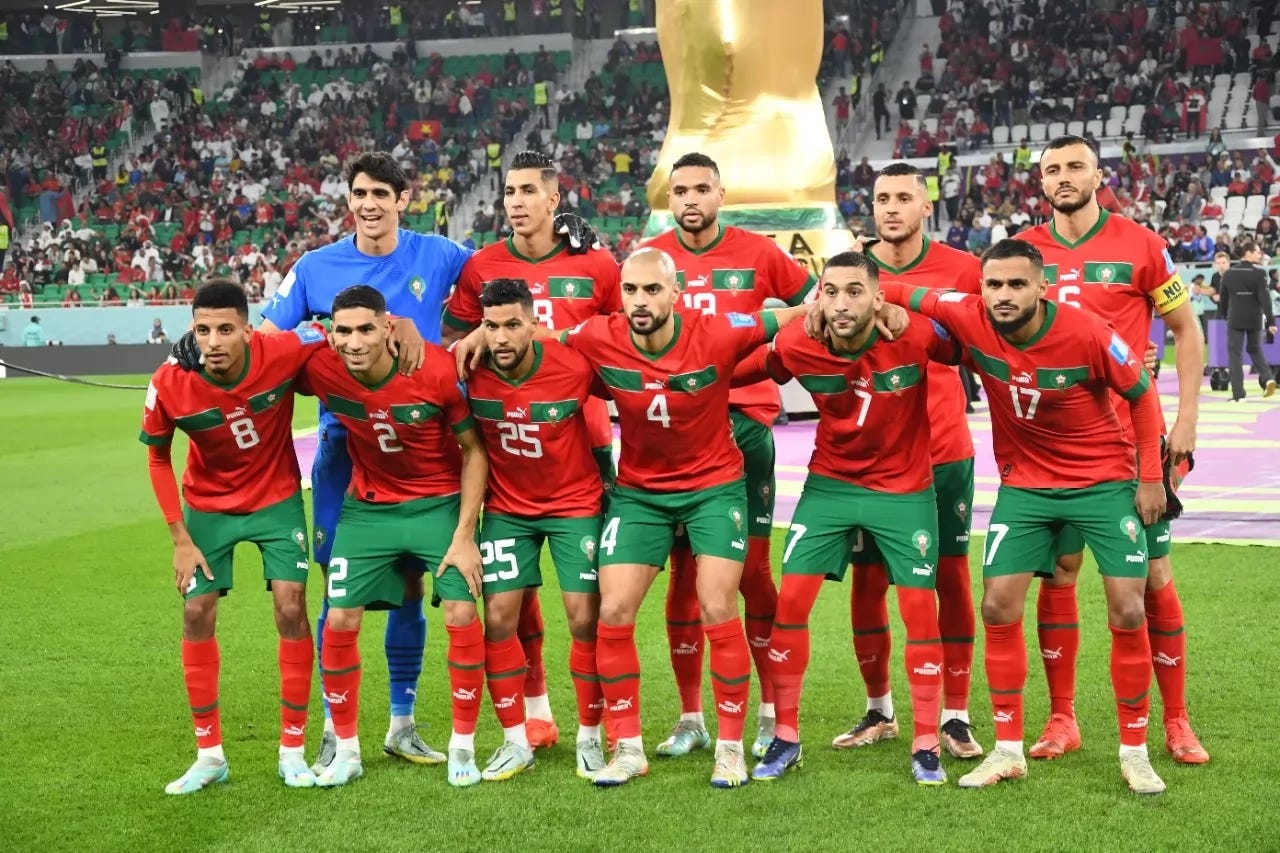
Morocco Showed What Football Soft Power Looks Like
No African nation has demonstrated this more clearly than Morocco.
When Morocco reached the semi-finals of the 2022 World Cup, becoming the first African and Arab nation in history to achieve the feat, the achievement extended far beyond football.
The country suddenly became the centre of a global conversation.
Search interest surged.
International media coverage expanded dramatically.
Global audiences who previously knew little about Morocco encountered its culture, language, identity and history through football.
The team’s success generated widespread discussions about North Africa, Arab identity and African representation in global sport.
Morocco’s tourism industry benefited from heightened international visibility.
Its footballers became global cultural ambassadors.
Its national brand received exposure that traditional marketing budgets would struggle to replicate.
The lesson was powerful.
Football success creates attention.
Attention creates curiosity.
Curiosity creates economic opportunity.
That sequence increasingly defines soft power in the digital age.
African Football Is Arriving During Africa’s Cultural Boom
What makes the 2026 World Cup particularly significant is timing.
African football is not arriving on the global stage in isolation.
It is arriving during a broader expansion of African cultural influence.
Over the past decade, African music has become one of the world’s fastest-growing cultural exports.
Artists like Burna Boy, Tems, Tyla, Rema and Asake have transformed Afrobeats from a regional genre into a global commercial force.
African fashion is receiving increasing attention from luxury brands, international fashion weeks and global consumers.
African film industries continue expanding their reach through streaming platforms.
Creator economies across Nigeria, South Africa, Kenya, Ghana and Egypt are producing globally distributed content at unprecedented scale.
This matters because football no longer exists separately from these industries.
The modern fan experiences football through music, fashion, creators and social media.
A World Cup goal becomes a TikTok trend.
A celebration becomes a viral meme.
A player’s outfit becomes a fashion statement.
A stadium soundtrack becomes a global hit.
Culture moves alongside sport.
And increasingly, they amplify one another.
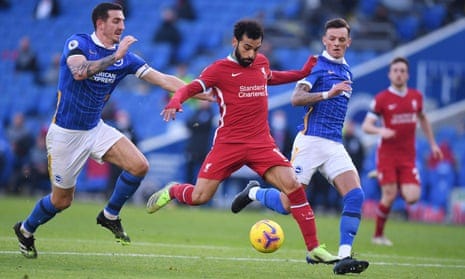
Mohamed Salah Is Bigger Than Football
Perhaps no player illustrates this better than Mohamed Salah.
Salah is not merely Egypt’s star player.
He is arguably one of Africa’s most influential cultural exports.
His impact extends across football, advertising, tourism branding and national image.
Research conducted in the United Kingdom has previously shown measurable shifts in perceptions of Muslims and Egyptians linked to Salah’s visibility and popularity.
His image appears in campaigns, documentaries, social media content and international brand partnerships.
He functions simultaneously as an athlete, celebrity, cultural ambassador and national brand.
That is the essence of soft power.
The ability to shape perceptions without direct political influence.
And Africa increasingly possesses more figures capable of doing exactly that.
Senegal, Ghana and the Power of Sporting Identity
Long before many African countries developed globally recognised music industries, football served as one of the continent’s most visible exports.
Senegal’s victory over France at the 2002 World Cup remains one of the defining moments in African sporting history.
Ghana’s dramatic run to the quarter-finals in 2010 became a continental story that transcended sport.
The Black Stars became symbols of possibility for millions of Africans.
These moments matter because they contribute to national narratives.
Countries are remembered through stories.
Football creates stories that travel.
The same way Nollywood exports stories.
The same way music exports stories.
The same way creators export stories.
Sporting success becomes part of national identity.
And national identity increasingly influences economic perception.
The Creator Economy Has Changed Everything
Twenty years ago, World Cup visibility was largely controlled by broadcasters.
Today, creators play an equally important role.
Every match generates:
reaction videos,
podcasts,
TikTok edits,
YouTube analysis,
fan communities,
memes,
newsletters,
live streams,
and social media commentary.
The World Cup has effectively become a creator economy event.
A single standout moment can generate millions of pieces of derivative content.
That means African participation now extends far beyond the players on the pitch.
African creators, photographers, filmmakers, journalists and influencers all participate in the attention economy surrounding the tournament.
This dramatically increases the cultural value generated by major sporting events.
The audience is no longer merely watching.
The audience is producing.
Governments Are Starting to Understand the Opportunity
Across Africa, governments increasingly view culture and sport through similar strategic lenses.
The objective is visibility.
Kenya’s interest in hosting major international cultural events.
Morocco’s investments in football infrastructure.
Rwanda’s sports sponsorship partnerships.
South Africa’s efforts to attract global sporting competitions.
Nigeria’s growing emphasis on creative industries.
These initiatives share a common logic.
Attention creates economic opportunities.
The World Cup represents one of the largest concentrations of global attention available to any country.
For African nations, participation increasingly functions as both sporting achievement and international marketing campaign.
The Bigger Competition Is No Longer On The Pitch
The most interesting aspect of the 2026 World Cup may not be which African team progresses furthest.
It may be which country converts visibility into long-term influence.
Because influence compounds.
A tourist inspired to visit Morocco.
A fan discovering Afrobeats through football content.
A creator building a global audience through World Cup storytelling.
An investor developing interest in a country’s creative industries.
These outcomes often outlast the tournament itself.
And they increasingly determine who benefits most from global visibility.
Africa’s Biggest Prize May Not Be The Trophy
A record ten African nations are competing at the 2026 FIFA World Cup.
That achievement alone reflects the growing strength of African football.
But the deeper story sits beyond sport.
Africa enters this tournament at a moment when its music is travelling further than ever.
Its films are reaching new audiences.
Its creators are building global communities.
Its fashion is attracting international attention.
Its cultural influence is expanding across multiple industries simultaneously.
The World Cup arrives as another stage within that broader story.
A larger one.
A louder one.
Perhaps the loudest of all.
Because in the modern economy, influence increasingly functions like currency.
And this summer, Africa will have more of the world’s attention than ever before.
The question is no longer whether the continent can command global visibility.
The question is what it chooses to do with it.

Written by Layo
Lead Editorial Writer, Creative Brief Africa
Outside of her editorial work, she writes Curious Health, a newsletter focused on everyday health questions, explored with clarity and care.
Nothing but the truth. The atmosphere has been amazing and despite the restrictions on some officials from entering into United States for the competition.
I tipped some dark horses making names in this year edition and business wise too, there will be sealing of deals, sponsorships, branding and all.
Lowkey, I just hope an African team can get to the semis.
Thank you Layo