


There is a number worth sitting with before anything else.
Africa’s creative economy contributes approximately $310 billion to the continent’s GDP. It employs 12 million people. The African creator economy alone is projected to grow from $5 billion today to $30 billion by 2032.
These are not cultural statistics. They are economic ones.
They describe an industry that women have spent decades building — producing, managing, financing, distributing, and institutionalizing — while remaining underrepresented at the ownership and governance tier that those numbers generate.
This year’s International Women’s Day theme is “Give To Gain.”
For Africa’s creative economy, that phrase is not inspiration. It is diagnosis.
What the Industry Actually Runs On
The public narrative of Africa’s creative economy is built around talent.
Afrobeats artists crossing Billboard charts. Nollywood films trending on Netflix. African designers at global fashion weeks. Creators building million-follower audiences on platforms that didn’t exist a decade ago.
What that narrative consistently underweights is organizational infrastructure. The operational layer without which none of the talent converts into industry.
Financing structures. Distribution networks. Market platforms. Brand frameworks. Training institutions. Licensing systems. Production pipelines.
These are the systems that transform individual creative acts into a durable economy. And across a remarkable range of them, women are not just participating.
They are the primary architects.
Women represent 38% of Africa’s creative workforce, with higher concentrations in fashion and music. That number understates their contribution to the structural layer, which rarely appears in workforce surveys because much of it is entrepreneurial, institutional, and informal simultaneously.
The giving has been substantial. The gaining has not kept pace.
That gap is the story.


The Evidence: Women Who Built the Infrastructure
Film: The Infrastructure Layer
No part of Africa’s creative economy better illustrates the gap between who builds the industry and who owns it than film. Nollywood produces over 2,500 films annually. It is one of the most prolific film industries in the world. Behind that volume is a generation of women who built every layer of the stack — financing, production, distribution, deal-making, and the proof of concept that made global investment follow.
Mo Abudu is working on the layer the industry has never had: structured production capital. The founder of EbonyLife Media is currently raising a $50 million Afro Film Fund to build a financing pipeline for African productions. Her distribution partnerships already include Netflix and Sony. To be precise about what the fund represents: Abudu is not producing another film. She is constructing the mechanism through which future films get made. Africa’s creative economy has almost no precedent for this at scale.
Mary Njoku built the distribution infrastructure before the distributors arrived. ROK Studios produced hundreds of films and series across African and diaspora markets, demonstrating that African storytelling could operate as a repeatable, investable content pipeline rather than isolated productions. Canal+ eventually acquired a significant stake. When Netflix and other global platforms moved aggressively into African content, the groundwork had already been laid.
Genevieve Nnaji provided the proof of concept that converted that infrastructure into a global commercial signal. When Lionheart became Nigeria’s first Netflix original film in 2018, it confirmed to platforms, distributors, and international investors that an African filmmaker could write, direct, produce, and close a global streaming deal on competitive terms. What followed was not coincidental. It required evidence that the pipeline was real.
Funke Akindele delivered the box office argument. A Tribe Called Judah crossed ₦1 billion. The Jenifa franchise built one of Nigeria’s most loyal multi-platform audiences. Both achievements happened independently, without formal studio backing. That is commercially remarkable and structurally telling. The fact that Nigeria’s highest-grossing filmmaker operates outside a formal studio system is not a testament to independence. It is evidence of how underdeveloped the studio tier remains. Akindele succeeded despite the system. The industry’s next phase needs that commercial scale to succeed through it.
Chioma Ude built the deal-making environment the industry needed to become legible to international capital. The Africa International Film Festival (AFRIFF), which she founded, is frequently described as a film celebration. That framing undersells it. AFRIFF functions as a structured platform that aggregates visibility, capital relationships, and distribution conversations in ways that signal to global investors that African cinema has organized itself into a coherent industry. Film industries are not formalized by films alone. They are formalized by institutions that create structure around otherwise fragmented transactions. AFRIFF is doing that work.
Five women. Five different layers of the same industry. None of them doing the same thing. All of them building what the other needs to function.
Music: The Continental Business Layer
Afrobeats is Africa’s most globally recognized cultural export. The infrastructure behind it is still catching up to the scale of the music itself.
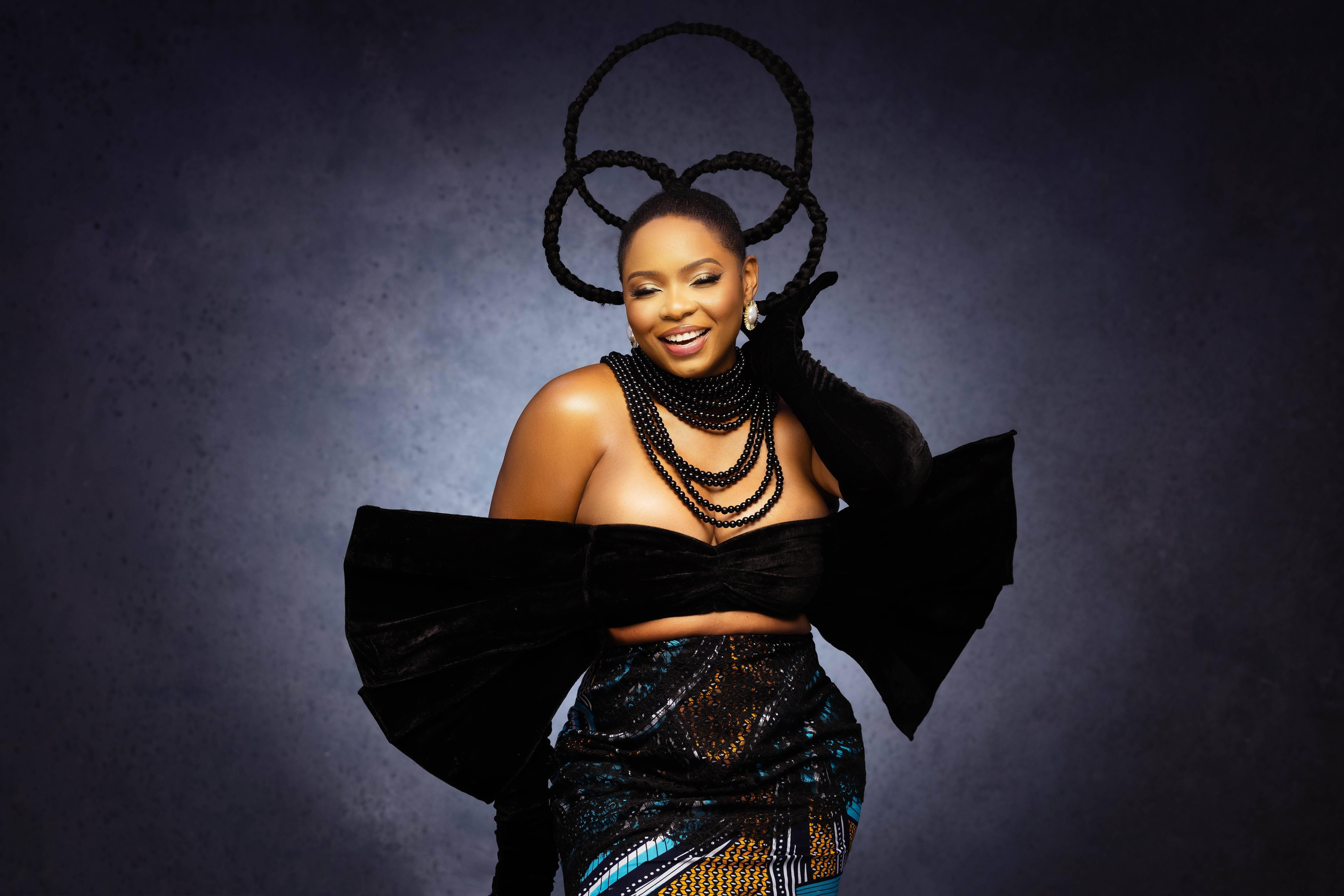
Yemi Alade has built one of the most intentionally pan-African music careers on the continent. Where most artists build national audiences and export outward, Alade built continental first, performing across more than 30 African countries, recording in multiple African languages, and constructing a touring and merchandise business that does not depend on Western validation to generate revenue.
That business model is a blueprint the industry rarely discusses as seriously as it deserves. A music economy that routes its value through African audiences rather than primarily through Western streaming thresholds is a fundamentally different financial structure. Alade has been living proof that it works.
Podcasting: The Conversation Infrastructure Layer
Africa’s podcast industry is one of the fastest-growing segments of the continent’s creator economy, and it is largely being built by women.
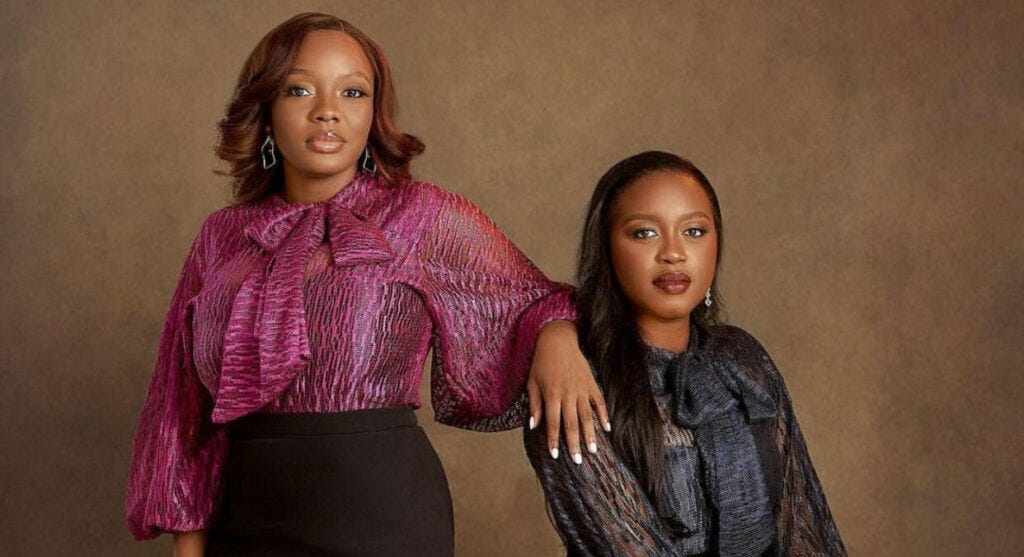
Jola Ayeye and FK Abudu co-host I Said What I Said, one of Nigeria’s most influential podcasts. What they have built goes beyond audience numbers. They have created a format — analytically sharp, culturally specific, unapologetically African — that demonstrated to the industry that Nigerian-made audio content could build a loyal, monetizable, and exportable audience without replicating Western podcast conventions.
That proof of concept matters structurally. The podcast industry in Africa is still in the process of developing its advertising infrastructure, distribution frameworks, and monetization models. The creators who are establishing audience trust now are the ones who will hold leverage when that infrastructure matures. Ayeye and Abudu are building that equity in real time.
Comedy and Entertainment: The Attention Economy Layer
Comedy is one of Africa’s most valuable and least formally analyzed creative industries. It drives some of the continent’s highest social media engagement, generates significant brand partnership revenue, and is increasingly crossing into film and television production.
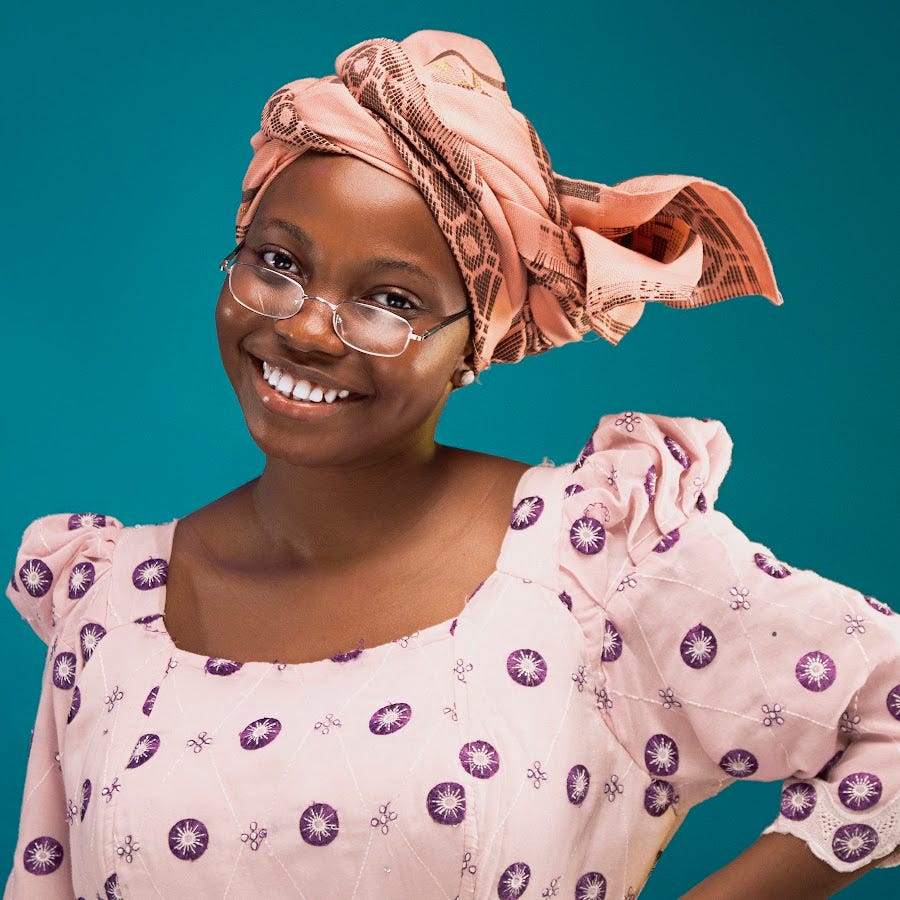
Taaooma (Maryam Apaokagi) has built one of Nigeria’s most recognized comedy brands across social media platforms, with a following in the millions and a production model that has evolved from solo content creation into a small production operation. Her work is notable not just for scale but for creative control — she writes, produces, and directs her own content, retaining the IP and the creative decision-making that many creators at her level outsource.
In an industry where attention is the primary asset, the question of who owns the production infrastructure behind that attention is the real business question. Taaooma is answering it correctly.
Visual Arts and Animation: The Cultural Value Layer
Africa’s visual arts sector is generating significant international market value. African contemporary art has seen record auction prices and growing institutional collection interest globally. The animation industry is earlier stage but expanding rapidly, driven by demand from global streaming platforms for locally produced animated content.
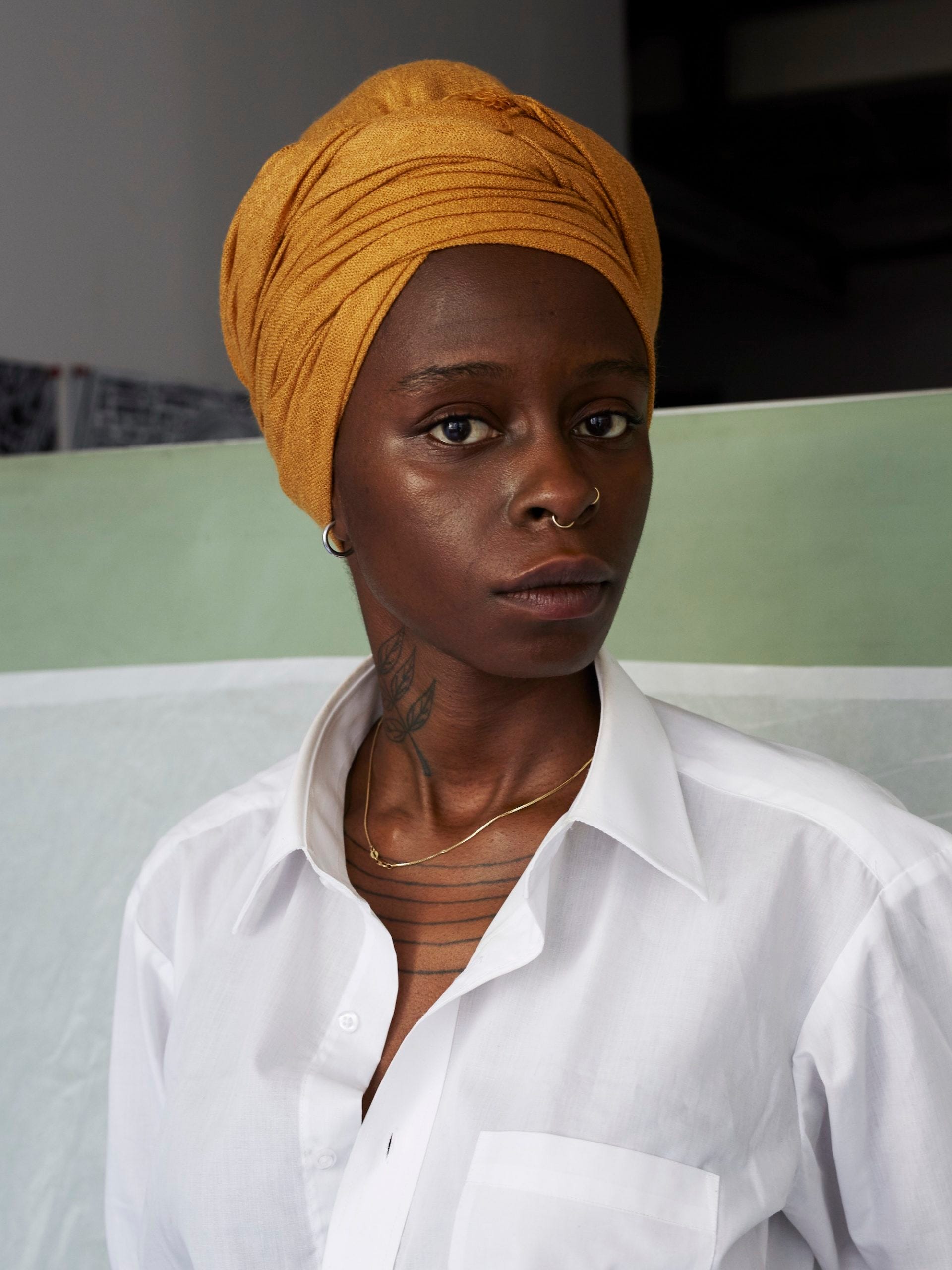
Toyin Ojih Odutola has built one of the most significant international profiles of any African contemporary visual artist, with work collected and exhibited at major institutions including the Whitney Museum and the Tate Modern. Her significance to the creative economy is not just artistic. She represents a proof of concept for African visual art as a high-value international market category.
The animation industry is producing its own infrastructure builders. Across Nigeria, Kenya, and South Africa, women-led animation studios are beginning to develop the production capacity that global platforms are actively seeking. The pipeline is early. The opportunity window is now.


Fashion: The Market Platform Layer
Industries grow through markets, not runways.
Omoyemi Akerele built Lagos Fashion Week into trade infrastructure. The event showcases over 100 designers annually and generates billions of naira in commercial orders, directly connecting African designers with global buyers and retailers. Her accelerator, Style House Files, provides business development tools rather than just visibility.
Folake Folarin-Coker, founder of Tiffany Amber, established the argument that Nigerian fashion could compete in global luxury markets on positioning terms. Sarah Diouf extended it with Tongoro Studio, designed, manufactured, and sold entirely within Africa, demonstrating that an integrated African supply chain could attract international premium clientele without outsourcing production to validate itself.
Together, these three represent a market argument, not a style moment. African fashion is an investable, scalable, globally competitive industry.
Beauty and Wellness: The Entrepreneur Infrastructure Layer
Africa’s beauty industry is one of the continent’s most economically significant and least institutionally supported creative sectors. The continent is both a major consumer market and an increasingly important producer of beauty innovation, particularly in skincare and haircare categories.
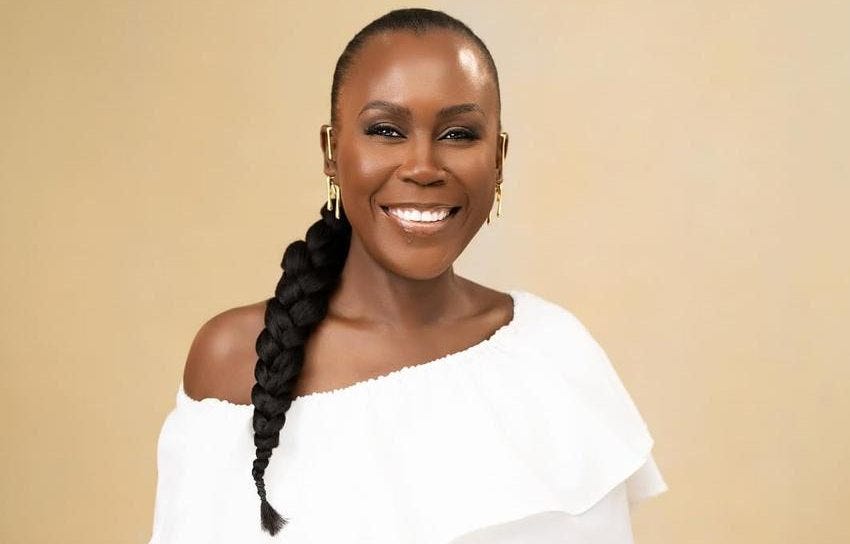
Tara Fela-Durotoye founded House of Tara International, one of Nigeria’s most recognized beauty brands, and then did something structurally more important. She built Beaupreneur, a training and entrepreneurship program that has equipped thousands of women with the business skills to operate professional beauty enterprises.
That second move is the more significant one for the creative economy. Fela-Durotoye recognized that the beauty sector’s growth bottleneck was not product innovation or consumer demand. It was business infrastructure at the practitioner level. Beaupreneur is an attempt to solve that from the ground up.
![Featured Post] The Kingmaker: A Love Note to Lola Shoneyin - JAY Lit](https://substackcdn.com/image/fetch/$s_!y8yH!,f_auto,q_auto:good,fl_progressive:steep/https%3A%2F%2Fsubstack-post-media.s3.amazonaws.com%2Fpublic%2Fimages%2Fc1bde830-1a2c-4980-970a-cf8e6f87f954_1200x630.webp "Featured Post] The Kingmaker: A Love Note to Lola Shoneyin - JAY Lit")
Publishing and Digital Media: The Ideas Infrastructure Layer
Publishing is the creative economy’s most underleveraged sector on the continent, and also one of its most structurally important. The institutions that develop, distribute, and legitimize African ideas — literary, intellectual, journalistic — shape the frameworks through which the entire creative economy understands itself.
Lola Shoneyin founded both the Ake Arts and Book Festival and Narrative Landscape Press, building two distinct pieces of the publishing infrastructure that African literature requires. The festival creates the market platform, the audience, and the critical conversation. The press creates the publishing pipeline itself.
Most conversations about Africa’s creative economy ignore publishing entirely. That is a significant structural blind spot. The ideas that drive cultural production — the narratives, the aesthetics, the intellectual frameworks — originate in the writing and publishing ecosystem. Shoneyin is building that ecosystem deliberately, at a time when most of the industry is looking the other way.
Heritage: The Cultural Foundation Layer
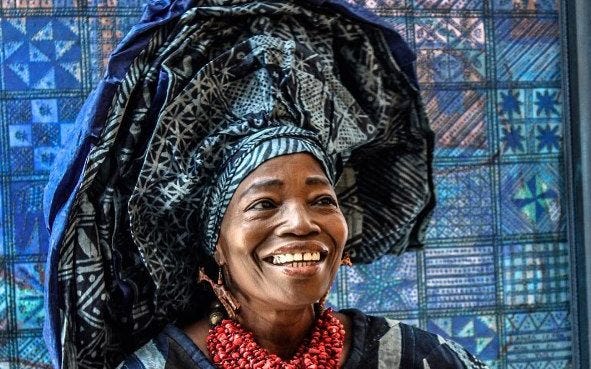
Nike Davies-Okundaye has trained over 10,000 artists, the majority of them women, in Yoruba textile traditions including adire, batik, and weaving, across four gallery locations in Lagos, Abuja, Oshogbo, and Ogidi.
Africa’s traditional textile and craft industries are globally valuable but vulnerable. Vulnerable to appropriation without attribution, commercialization without compensation, and extinction without formal training pipelines. Davies-Okundaye is maintaining the institutional infrastructure that keeps cultural heritage economically productive.
That work sits largely outside the metrics the creative economy uses to measure itself. It should not.
Global Access: The Executive Pipeline Layer
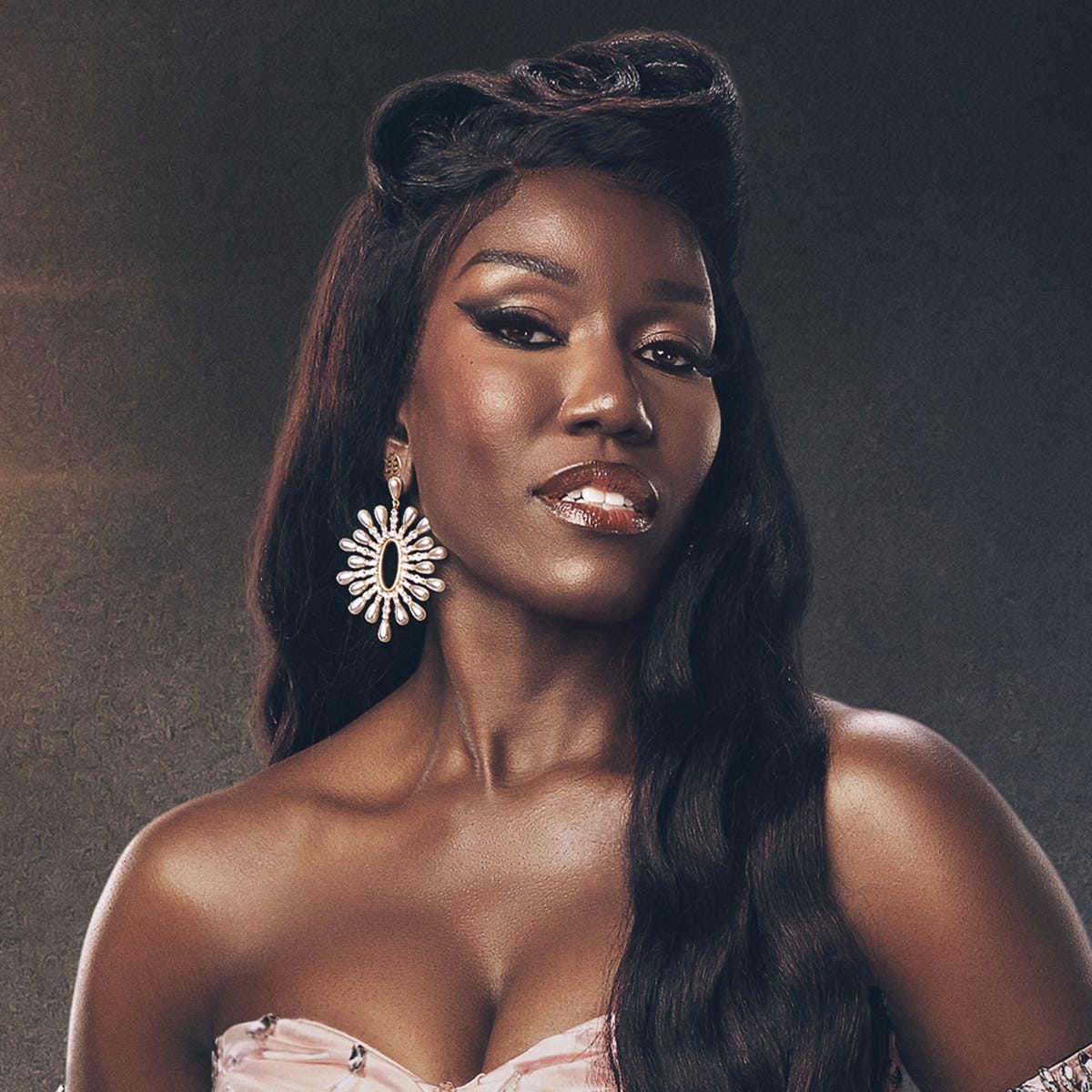
Bozoma Saint John has held the Chief Marketing Officer role at Netflix, Uber, and Apple Music.
Her importance to Africa’s creative economy is structural, not symbolic. She represents access to the decision-making tier where global platforms determine which markets to prioritize, which aesthetics to amplify, which talent to invest in.
The scarcity of people like Saint John at the executive tier is not a pipeline problem. It is an investment problem. A failure to develop, recruit, and retain African creative talent in the governance structures of global platforms. That failure has direct commercial consequences for what African creative work gets distributed, at what scale, and on what terms.
The Argument the Data Makes
Here is what the numbers say when read together.
Women are building the systems of Africa’s creative economy across film, music, podcasting, comedy, visual arts, fashion, beauty, publishing, heritage, and global access infrastructure.
They are doing this while representing 38% of the formal workforce in an industry that is itself still in the process of formalization.
They are doing this without proportional access to the ownership, governance, and capital allocation that the industry’s growth is generating.
That is a precise description of what “Give To Gain” looks like as a structural condition, not a motivational theme.
The Policy Argument Nobody Is Making Loudly Enough
Three gaps define the structural problem. Each has a policy solution. None are being pursued at the scale the industry requires.
Financing access. Women-led creative ventures are systematically underfunded across every sector covered in this essay. Development finance institutions, national arts funds, and private equity mechanisms default to investment criteria that are poorly matched to the business models most common in women-led creative enterprises.
The solution is not encouragement. It is structured mandates: creative economy funds with explicit minimum thresholds for women-led investment, capital instruments designed for the actual business models present in the sector, and patient capital frameworks appropriate for industries with multi-year development cycles.
The African Development Bank, the IFC, and national DFIs have begun recognizing the creative economy as investable infrastructure. The capital deployed so far is a fraction of what the sector requires. Mandate design determines who benefits.
Intellectual property protection. IP frameworks across most African markets remain underdeveloped. This affects all creators, but its consequences fall hardest on women working in informal creative sectors: textile producers, craft artists, independent beauty entrepreneurs, self-publishing authors, independent podcasters.
The African Continental Free Trade Area is a genuine opportunity to harmonize IP protections at continental scale. That conversation is happening. The creative economy’s most affected stakeholders are largely not at the table for it.
Governance representation. Film financing boards. Music licensing bodies. Broadcasting regulators. Fashion industry councils. Publishing standards bodies.
The institutions governing Africa’s creative industries still skew heavily male at the decision-making tier. The next generation of women building in this space are not waiting for those seats. They are building alternative governance structures. But that should not be the primary route to influence in an industry women largely built.
What “Give To Gain” Requires of the Industry
The IWD theme, read analytically, is a two-part test.
The giving half is documented. The women in this essay — and the thousands operating below the headline tier across every creative sector on the continent — have contributed labor, capital, institutional design, cultural preservation, market infrastructure, and global access-building to Africa’s creative economy.
The gaining half is the open question.
Not gaining as in receiving credit. Gaining as in owning the next phase of the industry they built.
Africa’s creative economy is formalizing now. The institutions being designed in this decade — the funds, the studios, the platforms, the regulatory frameworks, the investment vehicles — will determine the ownership structure of the industry for the next generation.
That design process is happening.
The question of who participates in it is not a future question.
It is the current one.

A guest post by
A curious mind exploring the crossroads of creativity and insight.